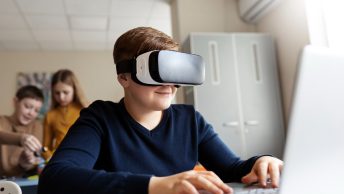
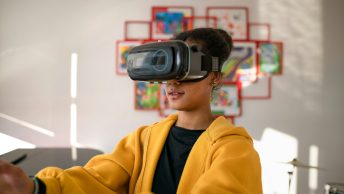
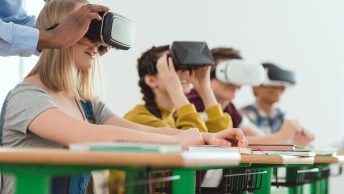
Virtual reality (VR) has taken education by storm, offering a new way to explore complex subjects like history. Imagine students walking through ancient cities, interacting with historical figures, and witnessing key events firsthand—all without leaving the classroom. VR makes this level of engagement possible, transforming abstract lessons into immersive experiences.
History often feels like a distant world to students, but VR bridges that gap by making the past come alive. This approach not only captivates the attention of young learners but also deepens their understanding and retention of historical facts. With VR, education becomes a memorable adventure rather than a series of dates and names to memorize.
Though there are challenges in adopting VR, such as the cost of equipment or the need for supportive curricula, the benefits outweigh these hurdles. Integrating VR into history teaching offers a dynamic way to spark interest and foster a lifelong appreciation for learning. Embrace these virtual explorations to engage students and enrich their educational experiences.
Understanding VR in Education
Virtual reality is changing how students learn by providing them with immersive educational experiences. VR offers the chance to explore subjects deeply and engagingly. This technology captures students’ imaginations, making learning exciting and interactive. Engaging with virtual environments helps students understand tough concepts by letting them see and do things they could only read about before. Whether it’s exploring ancient ruins or examining a human cell, VR offers a hands-on approach that enriches learning.
Learning history becomes much more engaging with VR. Instead of reading about long-gone events, students can step into the past. Imagine walking through the streets of ancient Rome or attending a Shakespearean play. These experiences leave a lasting impression, helping students retain more information. VR timelines can reconstruct historical events, prompting students to think critically about historical nuances and cause-and-effect relationships.
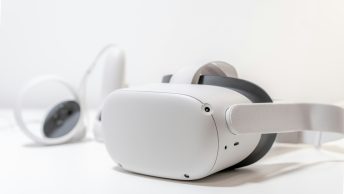
Despite its advantages, bringing VR into classrooms poses some challenges. The cost of VR equipment can be a barrier for schools with tight budgets. Teachers must also adapt to this new technology, which requires training and support. Additionally, developing VR-compatible lesson plans takes time and collaboration. However, overcoming these hurdles is crucial for giving students the opportunity to experience novel educational adventures.
Tools and Platforms for Creating VR Timelines
Creating VR timelines is becoming easier with the help of various tools and platforms designed for educators and history fans. Popular VR software programs, like CoSpaces and ThingLink, are particularly useful for teachers. These programs offer user-friendly interfaces that make it simple to create and customize virtual experiences. They include a variety of templates and assets, allowing educators to focus on the content rather than the technical aspects.
Choosing the right tools depends on your classroom needs and resources. Some important factors to consider are compatibility with existing technology, ease of use, and cost. Look for software that offers free trials or educator discounts, which can make implementing VR more affordable. Also, make sure the platform is flexible enough to grow with your curriculum. It’s essential to choose a tool that enhances, rather than complicates, your teaching goals.
Setting up a VR timeline involves several steps. First, decide on the key events and periods you want to feature. Then, gather relevant images, videos, and 3D models that will help bring those moments to life. After collecting your resources, use your chosen VR software to arrange and design your timeline. Add interactive features, such as quizzes or clickable info points, to create an engaging experience. Finally, test the VR timeline to ensure it’s accessible and functional for all students. These steps help in turning a simple lesson into an unforgettable learning journey.
Designing an Immersive History Timeline
Creating an immersive VR history timeline begins with careful planning. Identify the key events and periods you want to feature in your lesson. This step involves choosing moments that are not just historically significant but also capable of sparking curiosity. Visual storytelling is important, so think about how each event can be represented engagingly. Maps, artifacts, and reenactments can enrich the narrative, providing context and depth.
Interactive elements play a crucial role. Integrating quizzes, games, and simulated dialogues keeps students engaged. These features encourage exploration and discovery, turning passive learning into an active experience. Students can interact with historical figures or solve puzzles related to specific time periods, fostering a deeper connection with the material.
Implementing best practices ensures an effective VR design. Keep the content straightforward and focused—avoid overwhelming students with too much information at once. Ensure all interactive elements are intuitive and easy to navigate. Regular testing and feedback from students can guide improvements, making the experience better with each use. A well-designed VR timeline captivates students, helping them connect with and understand history in a meaningful way.
Integrating VR Timelines into Classroom Learning
Bringing VR timelines into the classroom requires thoughtful strategies. Begin by aligning VR activities with your curriculum objectives. Whether teaching about ancient civilizations or modern history, ensure the VR experience complements and enhances your lessons. This approach roots VR exploration in a familiar educational structure, allowing students to easily transition between traditional and virtual learning.
Encourage student participation and creativity by providing opportunities for them to add their insights. Encourage students to select an event or theme and conduct their own research. They can present their findings through creative means such as digital presentations or even by constructing their own VR scenes. This involvement fosters ownership of their learning journey, boosting engagement and retention.
Assessing learning from VR experiences involves measuring both knowledge and engagement. Use quizzes, reflections, and class discussions to gauge student understanding. Observe how students interact with the VR content—are they asking questions, making connections, and contextualizing new information? These insights reflect the success of VR as a teaching tool, guiding future iterations of your VR lessons.
Conclusion
Integrating VR technology into history lessons revolutionizes the learning experience, making it more interactive, engaging, and insightful. By stepping into different eras, students gain a better understanding of historical contexts and events, sparking interest and making education fun and effective.
At Teachers Tech, we’re dedicated to empowering educators with the tools and knowledge to harness VR technology in classrooms. Our resources and workshops support teachers in creating immersive lessons that captivate and educate, turning history lessons into exciting adventures. By embracing VR with Teachers Tech, educators can inspire the next generation of learners, transforming the way students connect with history. Check out the best productivity apps today.