Virtual reality (VR) technology has revolutionized the way we think about education and classroom engagement. As we delve deeper into the realm of digital learning, VR offers a dynamic and immersive way for students to explore and understand complex concepts through interactive experiences. Setting up a VR classroom might seem daunting at first, but with the right guidance, it’s accessible to educators who are eager to bring this innovative technology into their teaching practices.
We are increasingly recognizing the profound impact that VR can have on student learning outcomes. It allows us to create captivating educational environments that can significantly enhance both teaching and learning experiences. This technology not only supports various learning styles but also stimulates significant interest and motivation among students.
As we guide you through the necessary steps to integrate VR into your educational settings, our focus remains on providing practical, straightforward advice that empowers you to transform traditional learning spaces into futuristic hubs of interactive learning. From understanding the basics of VR and its educational benefits to choosing the right equipment and designing engaging lesson plans, we’re here to help you navigate this journey. Let’s explore how to effectively set up and sustain a VR classroom that enriches your educational offerings and captivates your students.
Understanding Virtual Reality and Its Impact on Education
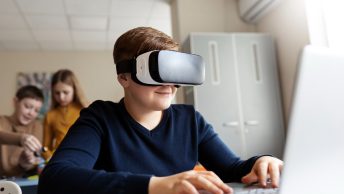
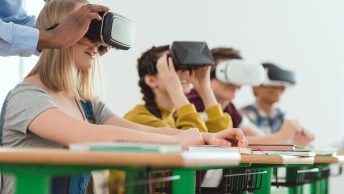
Virtual Reality (VR) is transforming educational experiences by bringing immersive learning environments directly to the classroom. Unlike traditional learning methods, VR engages students in a fully interactive, three-dimensional world where theoretical knowledge meets real-life scenarios. This kind of setup is especially beneficial in subjects where practical experience is crucial, such as science, history, and art. For instance, through VR, students can virtually visit historical sites, dissect organisms, or even observe chemical reactions up close—activities that are impossible in the conventional classroom.
The impact of VR on education is substantial. It not only captures the attention of students but also enhances their understanding and retention of information. Students are no longer passive recipients of information; they become active participants in their own learning journey. Moreover, VR can cater to various learning styles, be it visual, auditory, or kinesthetic, making learning accessible for everyone. Implementing VR in education does not replace teachers but empowers them to deliver lessons in ways that are more engaging and effective.
Essential Equipment and Tools to Set Up a VR Classroom
Setting up a VR classroom requires some essential equipment and tools to ensure a functional and effective learning environment. Here’s what you’ll need:
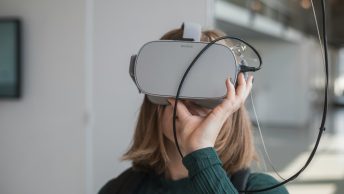
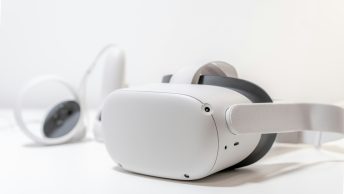
1. VR Headsets: These are the most critical components. Options range from more affordable mobile device-based headsets to high-end PC-connected systems. Depending on the budget and the requirements of the educational program, we can choose the appropriate model.
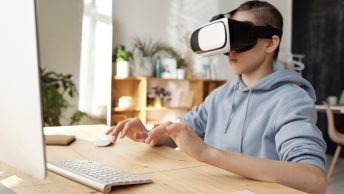
2. Computers or Smart Devices: High-quality VR experiences require powerful computers or smart devices compatible with the VR headsets. They must have adequate processing power, memory, and graphics support to handle VR software.
3. VR Content and Software: This includes educational software applications specifically designed for VR. These programs are what bring the curriculum to life, providing immersive learning experiences that are engaging and informative.
4. Physical Space: A dedicated space where students can safely move around without the risk of injury is important. This space should be free of obstacles and large enough to accommodate the movement range defined by the VR system’s tracking capabilities.
5. Input Devices: Depending on the VR setup, various input devices like controllers, treadmills, or gloves might be required to interact with the virtual environment effectively.
By making sure the right equipment is available and properly set up, we create a VR classroom that not only enhances learning but also inspires students to explore and innovate.
Designing Your First VR Lesson Plan
Creating your first VR lesson plan can be as exciting as it is challenging, but with careful planning, we can build an immersive educational experience that captivates and educates our students. The first step is to define the learning objectives clearly. Decide what we want the students to learn from the VR experience and how these objectives align with our broader educational goals. Next, select the right VR content that fits these objectives. This might involve previewing various VR educational programs to find one that matches our curriculum needs.
Once the content is selected, structure the lesson by breaking it down into manageable segments. Begin with an introduction to the VR equipment and safety guidelines before diving into the core content. This will ensure students are comfortable and prepared for the VR experience. It’s also beneficial to design follow-up activities related to the VR content to reinforce learning and facilitate discussion among students. This can include group discussions, assignments, or quiz questions related to the VR material.
Tips for Managing and Maintaining Your VR Classroom
Managing and maintaining a VR classroom involves more than just handling technological equipment—it’s about creating an environment where students can thrive using advanced technology. Regular checks and updates of the VR software and hardware are crucial to ensure everything functions smoothly during lessons. Additionally, clean and store VR equipment properly to protect sensitive components from damage. This includes sanitizing headsets regularly and storing them in a safe and dry area.
Another important aspect is to train ourselves and any assisting staff on the VR system to troubleshoot common issues. This boosts confidence in using the technology and minimizes downtime during classes. Establishing clear rules for students on the usage of VR equipment is also critical to prevent mishandling and prolonging the lifecycle of the devices. Above all, constantly gather feedback from the students about their VR learning experience. This feedback is invaluable for adjusting and improving the VR classroom setup and teaching method.
Conclusion
Embracing VR in education opens up a world of possibilities for enhancing student collaboration and engagement. Through our dedicated VR classroom setups, comprehensive lesson planning, and effective management strategies, we can ensure that this technology plays a pivotal role in modern teaching. Our journey towards integrating VR into the curriculum is just beginning, and with each step, we are making learning more interactive, immersive, and innovative.
At Teachers Tech, we are committed to helping educators harness the power of technology to enrich the educational experience. Explore more on how you can transform your online teaching with VR and other technological tools to create a future-ready learning environment for your students. Join us in redefining education with state-of-the-art technology solutions that prepare students for the challenges of tomorrow.