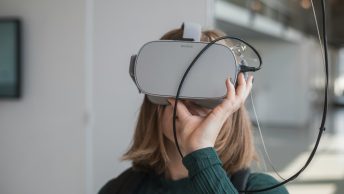
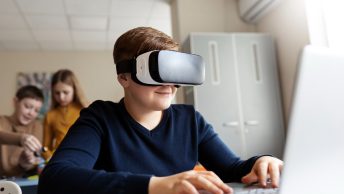
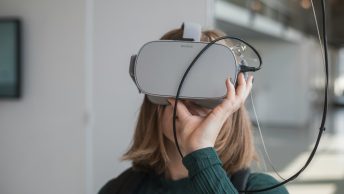
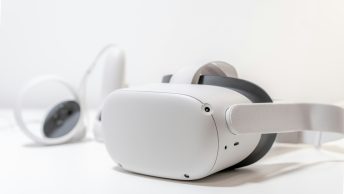
Virtual Reality (VR) is changing the way we teach and learn science. With VR, we can explore the human body, dive into the ocean, or even travel to outer space without leaving the classroom. This technology creates immersive and interactive experiences that make science lessons more engaging and enjoyable for students.
Using VR in science education offers many advantages. It helps students understand complex concepts by allowing them to visualize and interact with 3D models. For example, instead of just reading about the solar system, students can explore planets and stars in a virtual space environment. This hands-on learning makes science more memorable and easier to grasp.
Let’s explore the benefits of using VR in science education, introduce some of the top VR apps and tools for science lessons, and provide guidance on how to integrate VR into your curriculum. We will also share tips on how to get the most out of VR in science education.
By leveraging this technology, we can create a dynamic and immersive learning environment that sparks curiosity and fosters a deep understanding of scientific concepts.
The Benefits of Using VR in Science Education
Virtual Reality (VR) brings several benefits to science education, making learning more effective and engaging. One key advantage is the ability to visualize complex concepts. In traditional teaching, some scientific ideas can be hard to grasp through text and static images.
VR allows students to see these concepts in action, such as watching the process of photosynthesis or exploring the layers of the Earth in a 3D environment. This visual and interactive approach helps students better understand and retain information.
Another benefit is the enhanced engagement that VR offers. Traditional science lessons can sometimes feel dry or repetitive, but VR creates an immersive experience that captures students’ interest.
For instance, students can take a virtual trip to the depths of the ocean or journey through the bloodstream, making the learning process exciting and memorable. This increased engagement can lead to higher motivation and improved academic performance.
Top VR Apps and Tools for Science Lessons
There are many VR apps and tools available that cater specifically to science education. Here are some of the top ones that can greatly enhance our science lessons:
1. Tilt Brush: An app by Microsoft that lets students paint in 3D space. It’s useful for visualizing molecular structures and other scientific models.
2. InMind VR: This app takes students on a journey inside the human brain to learn about neurons and brain functions in an interactive way.
3. Google Expeditions: Offers virtual field trips to various scientific locations, such as the International Space Station or the Great Barrier Reef.
4. LifeLiqe: Provides 3D models of biological structures, allowing students to explore cells, organs, and other parts of the human body in great detail.
5. Nature Treks VR: Lets students explore different natural environments, from forests to underwater scenes, helping them learn about ecosystems and animal behavior.
These apps provide practical tools to bring science lessons to life. By incorporating these VR applications into our teaching, we can create a more dynamic and immersive learning experience for our students. Whether exploring the human body, space, or natural habitats, VR offers a unique way to understand and appreciate the wonders of science.
How to Integrate VR into Your Science Curriculum
Integrating VR into your science curriculum can be easier than you think. Start by identifying which parts of your science lessons could benefit most from a VR experience. Topics like space exploration, human anatomy, and natural ecosystems are perfect for VR. Once you have identified these areas, select specific VR apps and tools that align with your lesson plans.
It’s important to prepare your students before diving into the VR experience. Give them an overview of what they will see and what they should observe during the VR session. Also, consider how the VR experience can complement traditional learning methods. For example, after a VR trip through the solar system, you can have students create their own models or write reports on what they learned.
To successfully integrate VR into your curriculum, it’s also essential to ensure that the technology is accessible. Check the compatibility of VR apps with the devices you have.
If possible, schedule regular VR sessions so that all students get adequate time to explore and learn. This consistency can help students become comfortable with the technology and maximize its educational potential.
Tips for Maximizing VR in Science Education
Maximizing the potential of VR in science education requires some thoughtful strategies. Here are some tips to help you make the most out of VR in your classroom:
1. Combine VR with Hands-On Activities: Pair VR experiences with hands-on activities to reinforce learning. For example, after a VR exploration of marine life, students can work on projects about different ocean creatures.
2. Encourage Group Discussions: After a VR session, hold group discussions where students can share their observations and insights. This promotes critical thinking and helps students articulate what they’ve learned.
3. Set Learning Goals: Clearly define what you want students to achieve from each VR experience. Having specific goals will guide their focus and enhance their learning outcomes.
4. Monitor Progress: Keep track of how each student is engaging with the VR content. This will help you identify areas where students may need additional support.
5. Provide Alternative Options: Ensure that there are alternative ways to learn the material for students who may have difficulty using VR. This inclusivity ensures everyone benefits from the lesson.
By incorporating these tips, you can enhance the educational impact of VR in your science lessons. It helps ensure that VR is a novelty and a valuable learning tool that complements and enriches traditional teaching methods.
How VR Enhances Science Learning
Virtual Reality is a powerful tool that can transform the way we teach science. It offers an immersive and engaging way for students to explore complex concepts and makes learning enjoyable. By understanding the benefits of VR, choosing the right apps, and thoughtfully integrating VR into the curriculum, we can create more effective and memorable science lessons.
To get the most out of VR, combining it with hands-on activities, encouraging discussions, setting clear learning goals, and monitoring student progress is important. With these strategies, VR can become an integral part of science education, helping students to better understand and appreciate the world around them.
If you’re ready to take your science lessons to the next level, explore the possibilities with VR and see how it can make a difference in your classroom. Visit Teachers Tech to learn more about how to effectively use technology in education and discover new tools that can enhance your teaching experience!