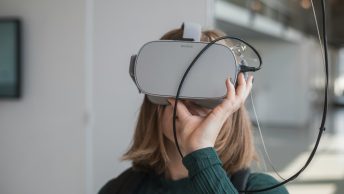
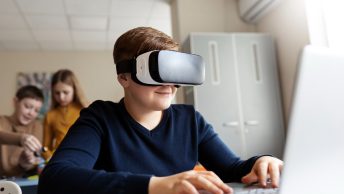
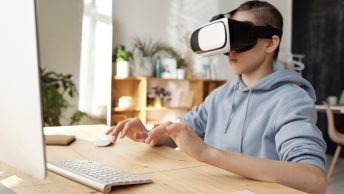
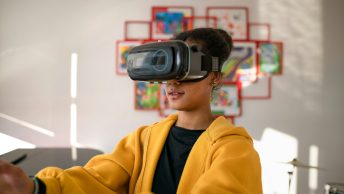
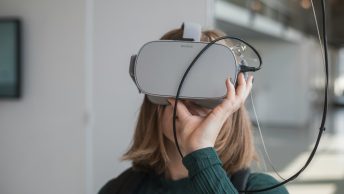
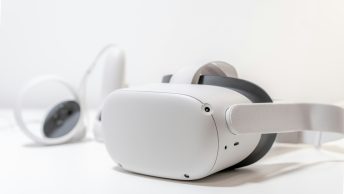
Virtual reality (VR) isn’t just for gaming; it’s an extraordinary tool that we’re harnessing to transport our students across time and space. Imagine taking your class on a journey to ancient Egypt or diving into the depths of the ocean, all from the safety and comfort of your classroom. VR tours stand as a powerful educational tool, offering immersive experiences that traditional books or videos can’t match.
As educators, it’s crucial for us to understand how to effectively integrate these virtual experiences into our teaching practices. This not only maximizes the educational benefits but also ensures that all students are engaged and learning effectively. By guiding students through VR tours, we can enhance their understanding of complex subjects, provide them with new perspectives, and spark a love for learning by introducing them to worlds they can otherwise only imagine.
In the following sections, we’ll explore how to get started with virtual reality tours, prepare our classroom settings for the best experience, guide our students through these digital realms, and assess their learning outcomes to continue enhancing this educational practice. This journey into VR in education isn’t just about technology; it’s about creating unforgettable learning experiences that resonate with students long after they’ve taken off their headsets.
Understanding the Basics of Virtual Reality Tours
Virtual reality tours provide an exceptionally vivid way of exploring environments that might otherwise be inaccessible. To begin with, a VR tour involves using a headset and sometimes other pieces of equipment that allow users to look around a virtual space as if they were actually there. We use this technology to let our students explore historical sites, ecosystems, and even outer space in a highly interactive manner. Through VR, elements in these tours can be manipulated or closely examined, which encourages not just observation but active participation.
For us educators, it’s important to recognize VR’s potential to cater to various learning styles. Visual learners, for instance, benefit tremendously from being able to see and virtually ‘touch’ what they are learning about. Meanwhile, kinesthetic learners who thrive on movement can engage physically by navigating through the virtual spaces. Understanding these basics helps us better plan our lessons and choose the right content to ensure that all students get the most out of their virtual reality experiences.
Preparing Your Classroom for a VR Tour Experience
Setting up a classroom for a VR experience requires some preparation, both in terms of equipment and classroom management. First and foremost, ensure that all the required VR headsets and compatible devices are available and functioning. It’s ideal to test these devices beforehand to smooth out any technical snags that could interrupt the learning experience. Additionally, setting up a dedicated space in the classroom where students can use VR safely without the risk of bumping into furniture or each other is critical.
In preparing our students for this journey, it’s equally crucial to ground the experience in clear learning objectives. We should explain how the VR tour fits into the larger curriculum and what specifically the students should focus on during the experience. By preparing a few guiding questions or points for observation, we can help students link the VR experience back to the topic at hand. After the setup is complete, a brief orientation session to acquaint students with the operation of the VR equipment also takes the anxiety out of technology use, ensuring a focus on learning rather than troubleshooting.
Guiding Students on Their Virtual Reality Journey
When we embark on a VR tour with our students, our role evolves from instructors to guides. It’s essential to actively engage with the students throughout the virtual reality session to keep them focused and to deepen their learning. Begin by walking them through the initial steps of using VR equipment, helping each student to feel comfortable and ensuring that the headsets are fitted properly. During the tour, facilitate the journey by pointing out key features and prompting students for interactive questions and observations. This keeps everyone engaged and ensures they don’t miss out on important elements of the experience.
Additionally, it’s beneficial to integrate teamwork within the VR activities. Encourage students to work in pairs or small groups to discuss what they see and explore different facets of the tour. This not only aids in collaborative learning but also allows students to share different perspectives and insights, enriching the experience for everyone. Navigating a VR environment can be an incredible discovery journey; our guidance is crucial to ensure that learning remains the core focus.
Assessing and Enhancing Learning Through VR Tours
Assessment of students’ learning outcomes from VR tours should focus on both knowledge acquisition and engagement levels. Following a VR session, we adopt various methods to gauge what the students have learned. This can include quizzes, short essays, or group discussions that encourage students to articulate their experiences and any new insights gained. These assessments help us understand the effectiveness of the VR tour and identify areas where students might need more help or additional resources.
To further enhance the benefits of VR in our curriculum, we continuously seek feedback from our students about their experiences. Understanding their perspectives helps us tweak and improve future VR tours to better meet their learning needs. Furthermore, keeping up with new VR educational trends and technology upgrades is essential for providing the best possible learning experiences. We strive to incorporate innovative methods that complement traditional teaching strategies, ensuring our students receive a well-rounded education.
In Conclusion: Embracing the Future of Education with VR
Integrating VR into our teaching strategies is more than just following a trend—it’s about expanding the horizons of what we can achieve in education. By guiding students through virtual reality tours, we offer them a unique window into worlds both ancient and future, igniting their imaginations and driving their passion for learning. At Teacher’s Tech, we are committed to leveraging cutting-edge technology to enhance educational experiences and prepare our students for a technologically advanced world. Join us in transforming education and inspiring students by embracing the potential of virtual reality. Discover more about innovative educational tools and strategies on our website today and help shape the future of learning and online teaching.