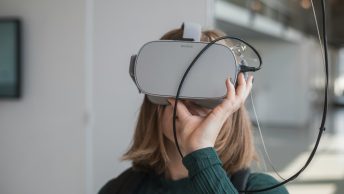
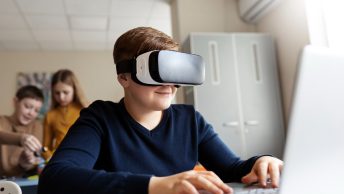
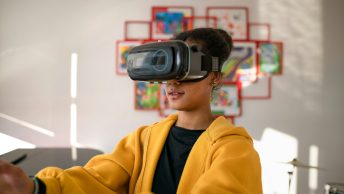
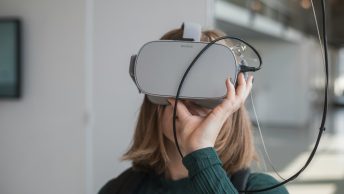
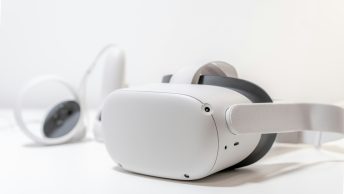
Virtual Reality (VR) is an incredible tool that can make learning math fun and engaging for kids. Imagine stepping into a world where math problems turn into adventures, and numbers come to life. With VR, this is possible! It transforms traditional math lessons into interactive experiences that capture students’ imaginations and make abstract concepts more concrete.
Using VR in math lessons can help students visualize complex problems and understand difficult concepts more easily. Instead of just reading about geometry or arithmetic, they can interact with shapes, numbers, and equations in a dynamic and immersive environment. This hands-on approach can improve their understanding and retention of math concepts.
Teachers looking to incorporate VR into their math curriculum will find that it’s an excellent way to engage students and make learning more exciting. Whether it’s exploring a virtual world to solve math puzzles or interacting with 3D shapes to learn about geometry, VR offers countless possibilities to enhance math education. In this article, we’ll explore why VR is a powerful tool for teaching math, what tools you’ll need, how to create a VR math lesson, and tips to make these lessons as effective as possible. Let’s dive into the world of VR math and make learning a captivating adventure!
Why Use VR for Teaching Math to Kids?
Using VR in math lessons opens up a world of possibilities for making learning more exciting. Virtual Reality (VR) provides an immersive experience that can help students understand complex math concepts by visualizing them in a 3D environment. Instead of just reading about shapes and equations, students can interact with them, which makes learning more fun and memorable.
One big benefit of VR in math education is the ability to make abstract concepts more concrete. For example, concepts like geometry and spatial reasoning can be challenging to grasp through traditional teaching methods. But with VR, students can manipulate 3D shapes, see how they fit together, and understand their properties better. This hands-on experience can help students build a stronger understanding of math fundamentals.
Another advantage is that VR can cater to different learning styles. Some students learn better through visual aids, while others need to interact with objects to understand them fully. VR can provide both, making it easier to tailor lessons to individual needs. Plus, the interactive and engaging nature of VR keeps students interested and motivated to learn.
Essential Tools and Resources for VR Math Lessons
To create effective VR math lessons, you’ll need the right tools and resources. Here is a list of essential items that can help you get started:
1. VR Headsets: The first tool you’ll need is a VR headset. There are many options available, ranging from affordable models like Google Cardboard to more advanced ones like Oculus Quest. Choose a headset that fits your budget and classroom needs.
2. Educational VR Apps: There are several VR apps designed specifically for teaching math. Apps like “Shapes 3D” and “GeoGebra 3D” offer interactive experiences that make learning math concepts easier. These apps often include lesson plans and activities aligned with the curriculum.
3. Interactive Math Software: Look for software that supports VR content creation. Programs like Unity and CoSpaces Edu allow teachers to create custom VR experiences tailored to their lesson plans. These platforms provide tools to build interactive math problems and activities.
4. Reliable Internet Connection: A stable internet connection is crucial for downloading VR content and accessing online resources. Make sure your classroom has a reliable connection to avoid interruptions during lessons.
5. Lesson Plans and Tutorials: Use available online lesson plans and tutorials to guide your VR math lessons. Websites offering educational resources often have VR lesson plans that you can adapt for your classroom. These plans can save you time and provide ideas for effective VR math activities.
6. Comfortable Learning Space: Ensure that your classroom has enough space for students to move around safely while using VR headsets. A well-organized and comfortable learning space can enhance the VR experience and keep students focused.
By gathering these essential tools and resources, you’ll be well-equipped to create engaging and effective VR math lessons. With everything in place, you can focus on designing activities that make math fun and interactive for your students.
Step-by-Step Guide to Creating a VR Math Lesson
Creating a VR math lesson can be fun and rewarding. Follow this step-by-step guide to help you design an engaging and educational VR experience for your students:
1. Choose Your Math Topic: Decide on the math concept you want to teach. It could be geometry, fractions, or even algebra. Picking the right topic is crucial because it helps you focus your lesson and select the appropriate VR tools and apps.
2. Plan Your Lesson: Outline the key points and objectives you want to cover in the lesson. Think about the activities and interactions that will help students understand the concept. Having a clear lesson plan will guide you in creating the VR content.
3. Select the VR Tool or App: Choose the VR tool or app that best fits your lesson plan. For example, if you’re teaching geometry, an app like “Shapes 3D” would be great. Make sure the app has features that align with your teaching goals.
4. Create Interactive Activities: Design activities that allow students to interact with the math concepts. This could include manipulating 3D shapes, solving math problems in a virtual environment, or exploring a VR world filled with math challenges.
5. Set Up Your Equipment: Ensure that all VR headsets and devices are charged and ready to use. Double-check that you have a reliable internet connection and that all software updates are installed. Proper setup ensures a smooth VR experience for your students.
6. Test Your Lesson: Before presenting it to your class, test the VR lesson yourself. Make sure all interactive elements work as planned and that the lesson flows smoothly. Testing helps you identify any issues and fix them before the actual lesson.
7. Conduct the Lesson: Introduce your students to the VR setup and explain how it works. Guide them through the lesson, helping them interact with the VR content and complete the activities. Encourage them to ask questions and explore the VR environment.
By following these steps, you can create an effective and engaging VR math lesson that helps students understand and enjoy learning math.
Tips and Tricks for Making VR Math Lessons Engaging and Effective
Creating a VR math lesson is just the beginning. To make sure your students stay engaged and get the most out of the experience, consider these tips and tricks:
1. Keep It Interactive: The key to a successful VR lesson is interaction. Instead of just showing static images, create activities where students can manipulate objects and solve problems. This hands-on approach makes learning more engaging.
2. Incorporate Real-World Examples: Use real-world scenarios to make math relevant to students’ lives. For example, if you’re teaching fractions, create a VR environment that simulates cooking, where students can measure ingredients and understand fractions better.
3. Use Visual and Audio Cues: Enhance the VR experience with visual and audio cues. Bright colors, sounds, and voice instructions can help guide students and keep their attention focused on the lesson.
4. Provide Clear Instructions: Ensure that students know what to do in the VR environment. Provide clear, step-by-step instructions on how to complete the activities. You can also include visual aids or a tutorial at the beginning to help them get started.
5. Encourage Exploration: Allow students some time to explore the VR environment on their own. This encourages curiosity and helps them discover new aspects of the math concept being taught.
6. Assess and Provide Feedback: After the VR lesson, assess students’ understanding with quizzes or interactive discussions. Provide feedback and address any questions they might have. This helps reinforce the concepts learned during the VR session.
7. Keep Lessons Short and Focused: VR experiences can be intense, so keep lessons short and focused on key concepts. Break down complex topics into smaller lessons to prevent overwhelming students.
By using these tips and tricks, you can create VR math lessons that are not only educational but also captivating and fun.
Conclusion
Incorporating VR into math lessons is a fantastic way to make learning more engaging and effective. VR can help students visualize and interact with math concepts, making them easier to understand and remember. With the right tools and resources, creating VR math lessons can be a smooth and rewarding process.
Start by choosing a math topic and planning your lesson carefully. Select the appropriate VR tools and create interactive activities that keep students engaged. Use the tips and tricks provided to enhance the VR experience and ensure students get the most out of the lesson.
Ready to make your math lessons more exciting with VR and other teaching tech? Follow these steps and watch your students’ interest in math soar. For more tips, resources, and guidance on using technology in education, visit Teachers Tech. Let’s make learning an adventure together!