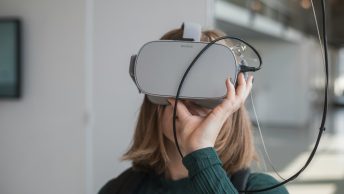
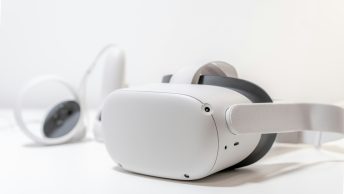
Virtual Reality (VR) is changing the way we learn and teach. This technology provides immersive experiences that can make lessons more engaging and fun. At Teachers Tech, we understand the power of VR to bring subjects to life, whether it’s exploring ancient civilizations, examining the human body, or even traveling through space.
Implementing VR in the classroom can seem challenging, but with the right tools and guidance, it becomes an exciting journey. By using VR, we can offer students unique experiences that are otherwise impossible or difficult to achieve. These immersive experiences help students understand complex concepts more easily and retain information better.
In our guide, we’ll explore how to select the best VR tools and apps for your classroom, step-by-step instructions on integrating VR into your lessons, and techniques to maximize student engagement. Let’s dive into the world of VR and discover how it can enhance our teaching methods and our students’ learning experiences.
Understanding the Basics of Virtual Reality in Education
Virtual Reality (VR) is a powerful technology that creates immersive experiences by simulating real-life environments. In education, VR can transport students to different places and times, enhancing their understanding of complex concepts. Imagine taking your class on a virtual field trip to ancient Egypt or exploring the human body’s inner workings—all from the classroom!
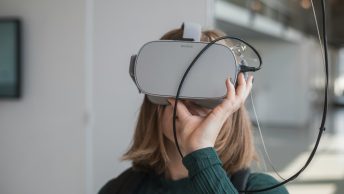
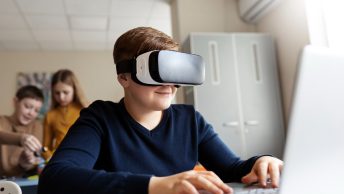
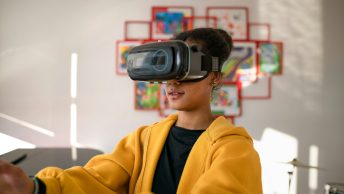
At Teachers Tech, we see VR as a tool that can make learning more interactive and engaging. By wearing a VR headset, students can interact with three-dimensional environments, boosting their comprehension and retention of the subject matter. VR simulations can also help visualize abstract concepts, making them easier to grasp. This interactive form of learning not only captivates students’ attention but also encourages active participation, catering to various learning styles and abilities.
Selecting the Right VR Tools and Apps for Your Classroom
Choosing the right VR tools and apps is essential to ensure a smooth and effective implementation in the classroom. Start by identifying the subjects or topics that will benefit most from VR experiences. Once you have a clear vision, research the available VR tools and apps designed specifically for educational purposes. Look for software compatible with your existing devices and easy to integrate into your teaching routine.
Several VR platforms offer a wide range of educational content. Some popular options include Microsoft’s VR offerings and other trending apps that provide immersive learning experiences. When selecting apps, consider factors like ease of use, the relevance of content, and cost. Reading reviews and seeking recommendations from other educators can also help make informed decisions. By carefully selecting the best tools, we can enhance our teaching methods and provide students with unforgettable learning experiences.
Step-by-Step Guide to Integrating VR into Your Lessons
Integrating VR into your lessons can be straightforward with a clear plan. Start by identifying lesson objectives that VR can enhance. For example, if teaching about the solar system, VR can provide an immersive tour of the planets. Next, familiarize yourself with the VR app you plan to use, making sure it aligns with your lesson goals. Practice navigating the VR environment so you’re comfortable guiding students through the experience.
Before the lesson, prepare your classroom. Ensure all VR equipment is charged and ready. Arrange the room to allow students enough space to move safely. Begin the lesson by explaining what VR is and how it will be used. Demonstrate the VR app, showing students how to navigate and interact with it. During the VR activity, facilitate by offering guidance and answering questions. After the VR session, hold a discussion or Q&A to consolidate learning and address any concerns.
Maximizing Student Engagement and Learning with VR
To make the most of VR in the classroom, focus on strategies that maximize student engagement and learning. Start by setting clear expectations for behavior and participation during VR activities. Encourage students to explore and interact with the VR environment actively. Incorporate VR into group activities to foster collaboration and discussion, making learning more dynamic and social.
Another effective approach is to integrate VR into project-based learning. Assign students projects that require them to use VR to research or create presentations on specific topics. This not only enhances their understanding but also boosts critical thinking and creativity. Additionally, use VR as a tool for differentiated instruction. Tailor VR activities to cater to diverse learning needs, providing individualized experiences that can help all students grasp difficult concepts. By adopting these strategies, we can ensure VR becomes a beneficial and engaging part of our educational toolkit.
Conclusion
Incorporating VR into our teaching methods can significantly enhance the learning experience for our students. By understanding the basics of VR, selecting the right tools, integrating them seamlessly into lessons, and employing strategies to maximize engagement, we can transform our classrooms into interactive and dynamic learning environments. VR not only makes learning more fun but also helps students visualize and understand complex concepts, making education more effective and inclusive.
At Teachers Tech, we are committed to helping educators leverage cutting-edge technologies to improve teaching and learning outcomes. Explore more resources and guides to stay ahead in the educational technology game. Ready to bring VR as a teaching tech into your classroom? Visit Teachers Tech today and let’s make learning an unforgettable adventure for our students.